What Is TPO Roofing? And Why It's Perfect for Florida Commercial Buildings
Learn what TPO roofing is, why Florida commercial properties use it, and when flat-roof TPO makes sense for Tampa Bay buildings.
Read moreGuides on roof replacement, materials, and installation best practices in Florida.
Learn what TPO roofing is, why Florida commercial properties use it, and when flat-roof TPO makes sense for Tampa Bay buildings.
Read more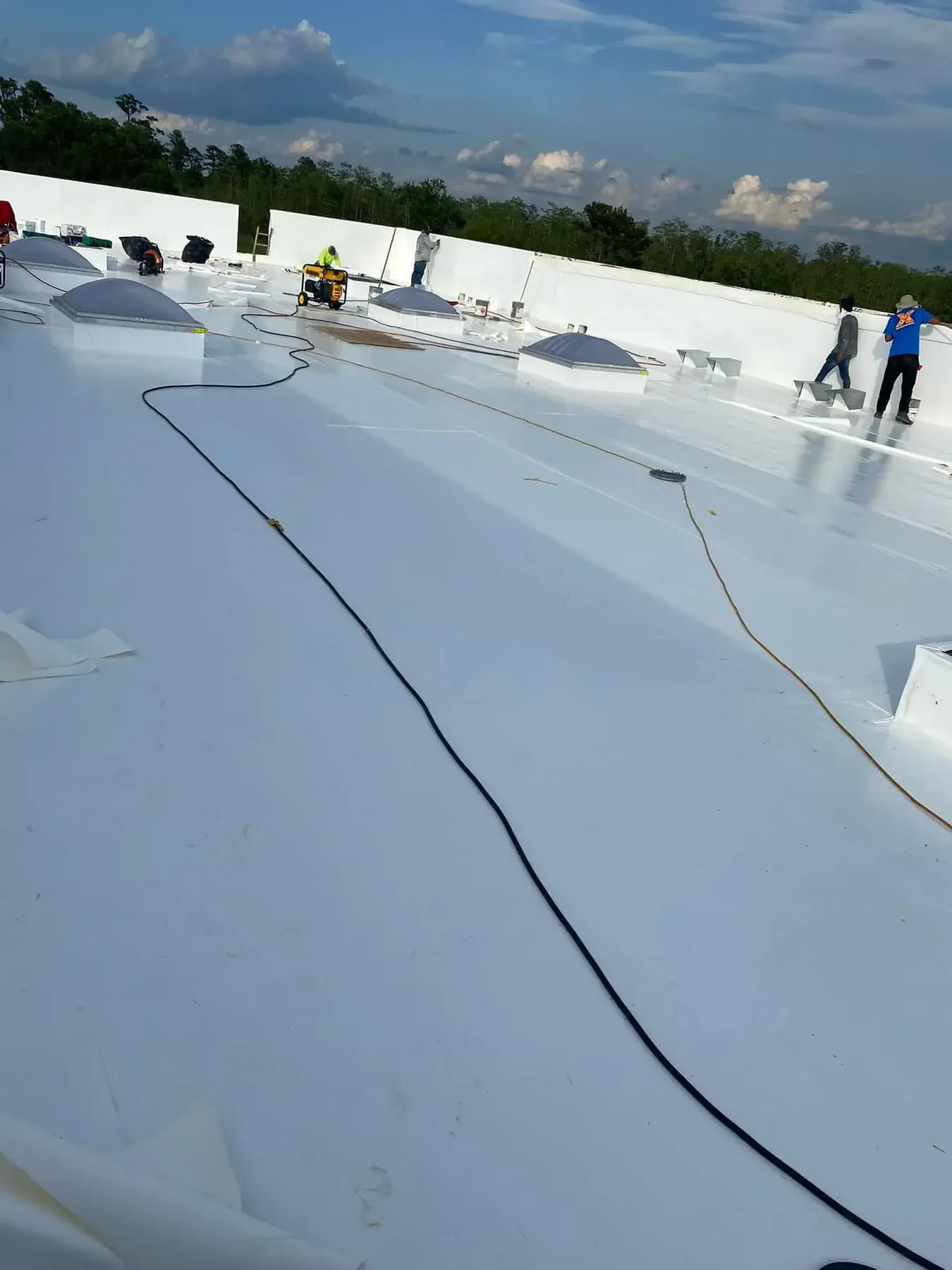
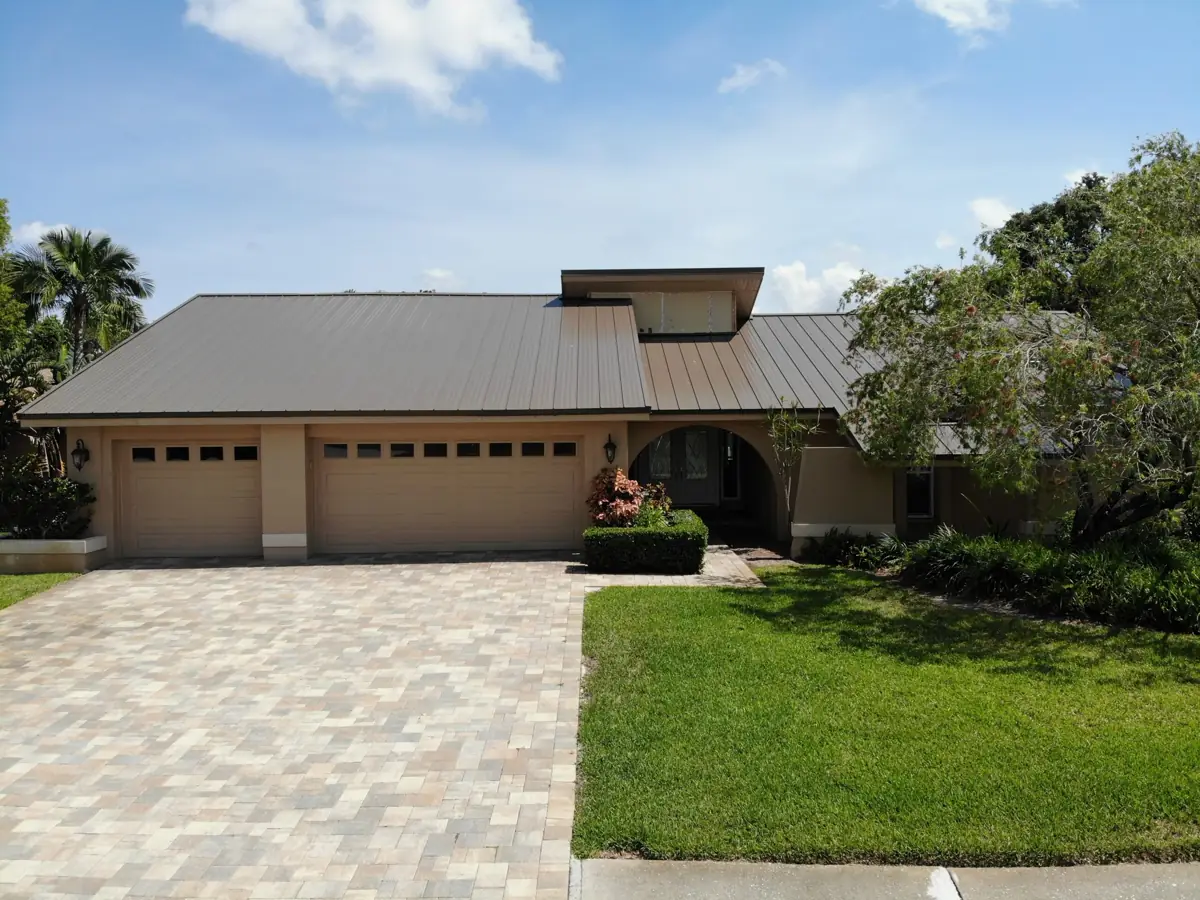
Compare asphalt shingles, metal, tile, and flat-roof systems for Florida homes — durability, cost, and hurricane performance.
Read moreReplacement planning, materials, and Florida install best practices. These guides cover what belongs in a full tear-off scope: underlayment, fastening, ventilation, drip edge, and penetration details that keep new roofs performing in Gulf heat and wind-driven rain.
Atlas materials on qualifying projects, manufacturer registration, and workmanship warranty expectations are explained in plain language. Permitting and HOA documentation steps get called out so timelines stay realistic instead of slipping after materials arrive.
Use these posts before you compare bids so you know which line items matter. Then schedule a free inspection with Roof Monsters for numbers tied to your address, pitch, and decking condition — not a generic square-foot guess.
Installation articles also cover clean job-site expectations and why referral-driven crews treat landscaping and nail sweeps as part of the craft, not optional extras.
Browse the posts above, then schedule a free inspection with Roof Monsters. We photograph conditions, explain repair versus replacement in writing, and specify Atlas materials on qualifying steep-slope projects when a full install is the right path.
Dunedin headquarters · (727) 439-3869 · info@roofmonsters.co. Fifteen-year workmanship warranty on qualifying installation labor. Most work still comes from neighbors who recommend us after clean job sites and clear communication.
Storm openings: call for private-pay emergency tarping. Permanent repairs follow with clear estimates — no adjuster coordination or claim-maximizing promises. Temporary dry-in stops water; it is not a finished roof.
Use category reading to build a checklist before contractor visits. Bring questions about ventilation, underlayment, flashing details, and warranty paperwork to your free inspection so the conversation stays specific to your roof instead of generic sales talking points.
Compare what you read here with line items on any bid you receive. If a proposal skips dumpster, drip edge, ventilation, or decking allowances, ask why. Incomplete scopes are a common source of change-order frustration across Tampa Bay.
When you are ready, call (727) 439-3869 or email info@roofmonsters.co. We serve all five counties from Dunedin and will put the next steps in writing — family-owned since 1988, licenses CCC1335398, CCC052490, CBC015719.
Gulf humidity, intense UV, oak litter, and tropical downpours shape every recommendation in this category. Advice written for northern freeze-thaw climates often understates algae growth, attic heat, and wind-driven rain at flashings.
That is why our educational pages keep pointing back to on-site documentation. Articles teach vocabulary; inspections supply the facts for your address. Use both, then decide repair, maintain, or replace with a clear private-pay estimate in hand.
Replacement articles are most useful before estimates arrive. Learn the vocabulary for underlayment, drip edge, ventilation, starter shingles, flashing, decking allowances, and permit steps so you can spot missing line items. Tampa Bay roofs face heat, humidity, and wind-driven rain; a proposal that only names a shingle color is not complete enough for a long-term decision.
Atlas materials on qualifying steep-slope projects are one part of the system, not the whole story. The articles in this category explain why fastening, airflow, and edge details protect the product you choose. Bring those notes to the free inspection and ask how each item appears in the written scope.
Installation guides also help households prepare for the practical side of a re-roof. Driveway access, dumpster placement, pets, gate codes, HOA approvals, and work-from-home schedules all affect the experience. Crews can move faster and cleaner when those details are discussed before tear-off begins.
Weather windows matter in Florida. Afternoon storms may pause work for safety, but the roof must still be dried in correctly at each stage. Reading installation content ahead of time gives homeowners realistic expectations about noise, cleanup, magnetic nail sweeps on qualifying projects, and the final walkthrough where workmanship warranty paperwork is reviewed.
The curb view rarely shows the details that decide roof life. Starter placement, nail pattern, valley preparation, wall flashing, drip edge, and attic intake all disappear under the finished look. Installation articles explain those hidden choices so you know why a thorough estimate may include more than shingle bundles and labor.
During a Roof Monsters inspection, we connect those details to your home. If a prior roof failed early because of heat or drainage, the new scope should address that cause instead of repeating it with fresh materials.
Some decisions cannot be finalized until old materials come off. Soft decking, hidden rot, obsolete flashing, or blocked ventilation may appear during tear-off. A strong installation plan explains how those discoveries are photographed, priced, and approved before crews continue.
Use this category to understand those moments before install day. Clear allowances and communication protect the homeowner and the crew, especially when Tampa Bay weather makes every dry-in window important.