
October Roofing Season in Tampa Bay: Why Fall Is the Best Time to Schedule Your Roof Work
Why October is the best time to schedule roof work in Tampa Bay — cooler temps, post-storm inspections, and pre-holiday planning.
Read moreMaintenance guides, storm preparation, and contractor advice from a Dunedin-based roofing team serving Pasco, Pinellas, and Hillsborough County since 1988.
Why October is the best time to schedule roof work in Tampa Bay — cooler temps, post-storm inspections, and pre-holiday planning.
Read more
What makes Roof Monsters different — family ownership since 1988, Atlas warranties, same crew quality, and Tampa Bay local expertise.
Read more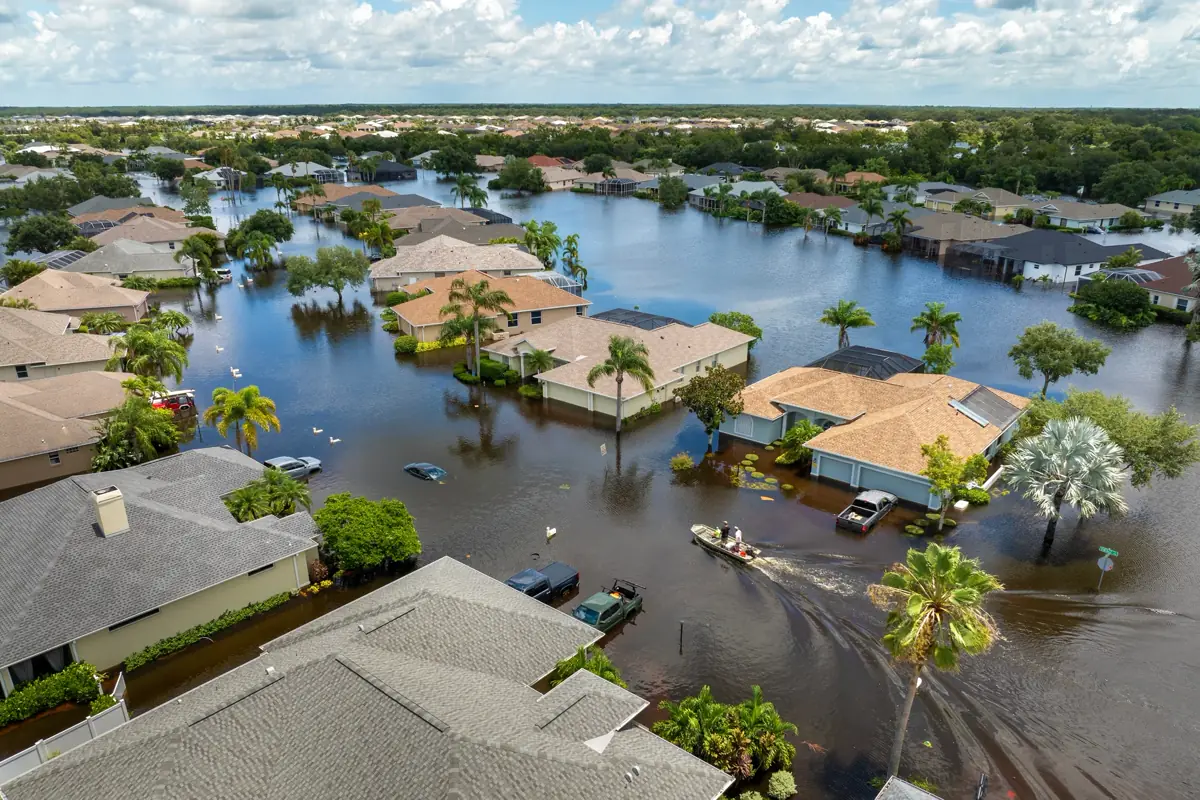
Practical steps Tampa Bay homeowners can take to prepare roofs for hurricane season — inspections, maintenance, and when to call a roofer.
Read more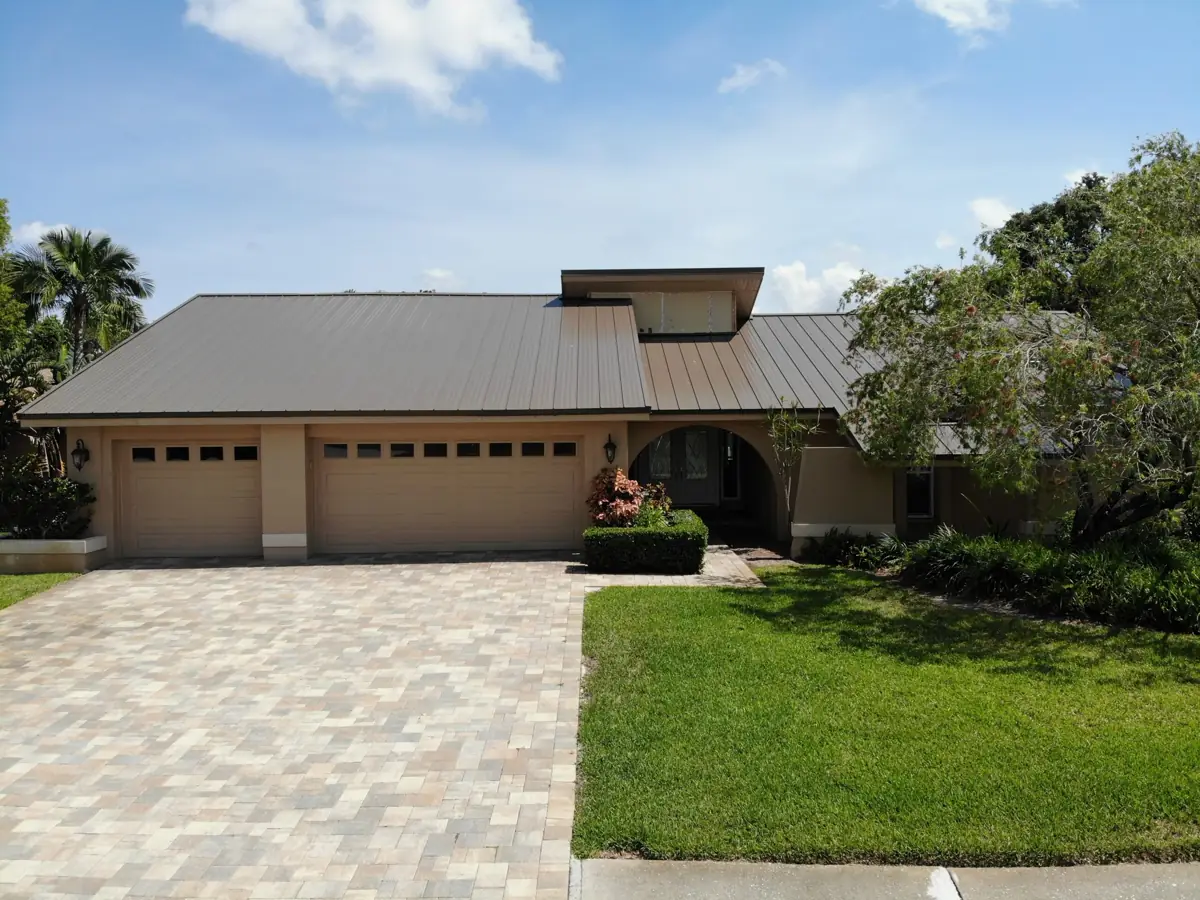
Learn what TPO roofing is, why Florida commercial properties use it, and when flat-roof TPO makes sense for Tampa Bay buildings.
Read more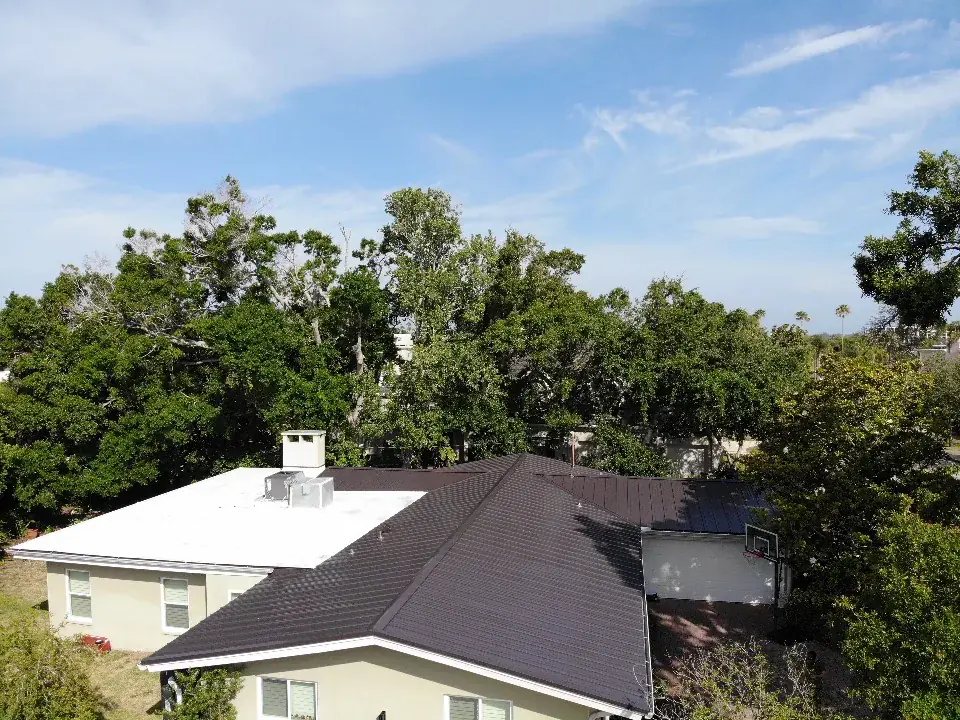
Five warning signs Florida homeowners should watch for — curling shingles, leaks, age, storm damage, and rising energy bills.
Read more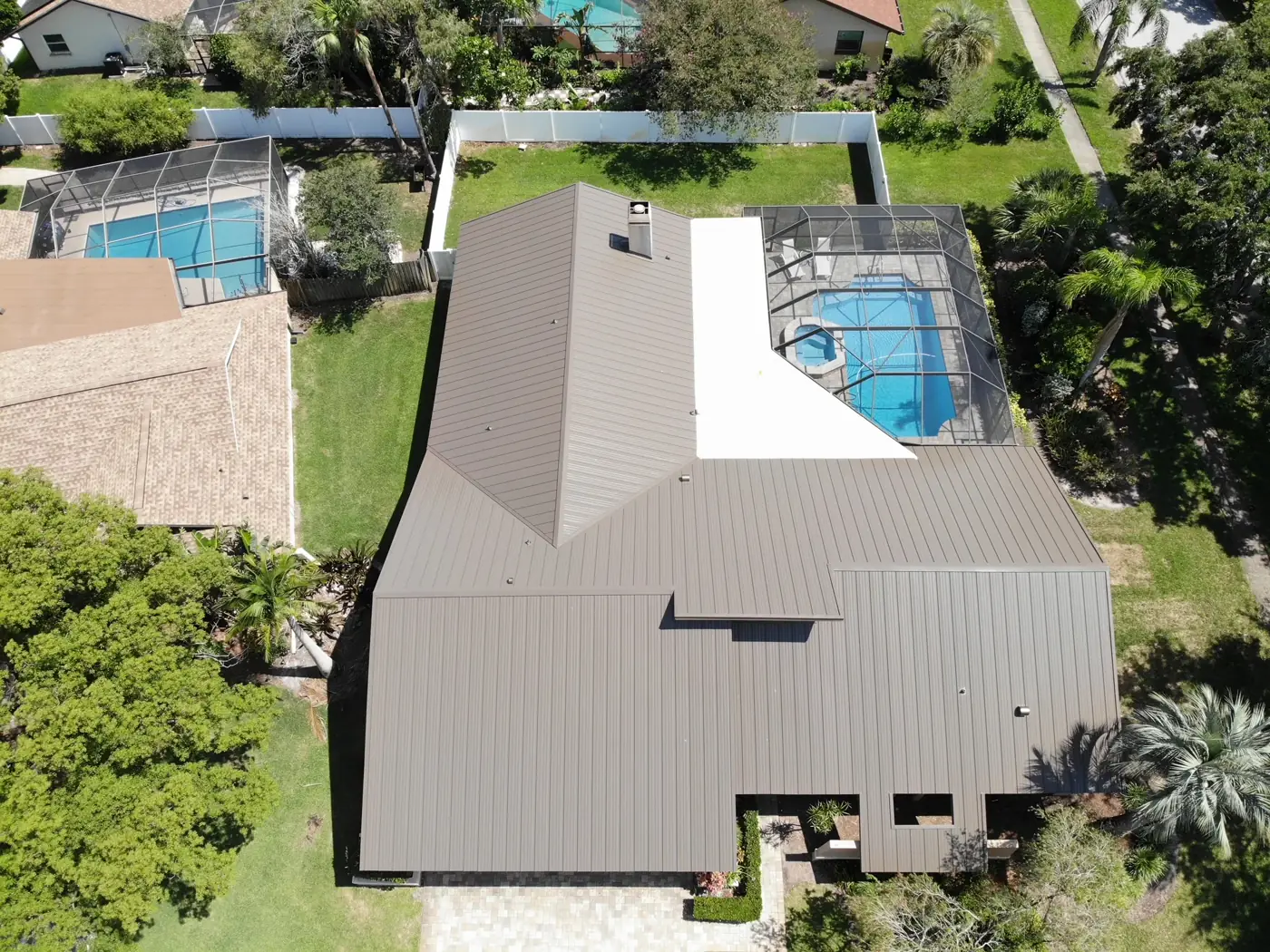
What to look for when hiring a Tampa Bay roofer — licensing, insurance, warranties, local references, and written estimates.
Read more
Storm-season roof prep for Florida homes — tree trimming, inspections, documentation, and emergency planning before severe weather.
Read more
Energy-efficient and sustainable roofing options for Florida — cool roofs, durable materials, and long-term savings.
Read more
Modern roofing technology — improved underlayment, ventilation, impact-resistant materials, and smarter inspection tools.
Read more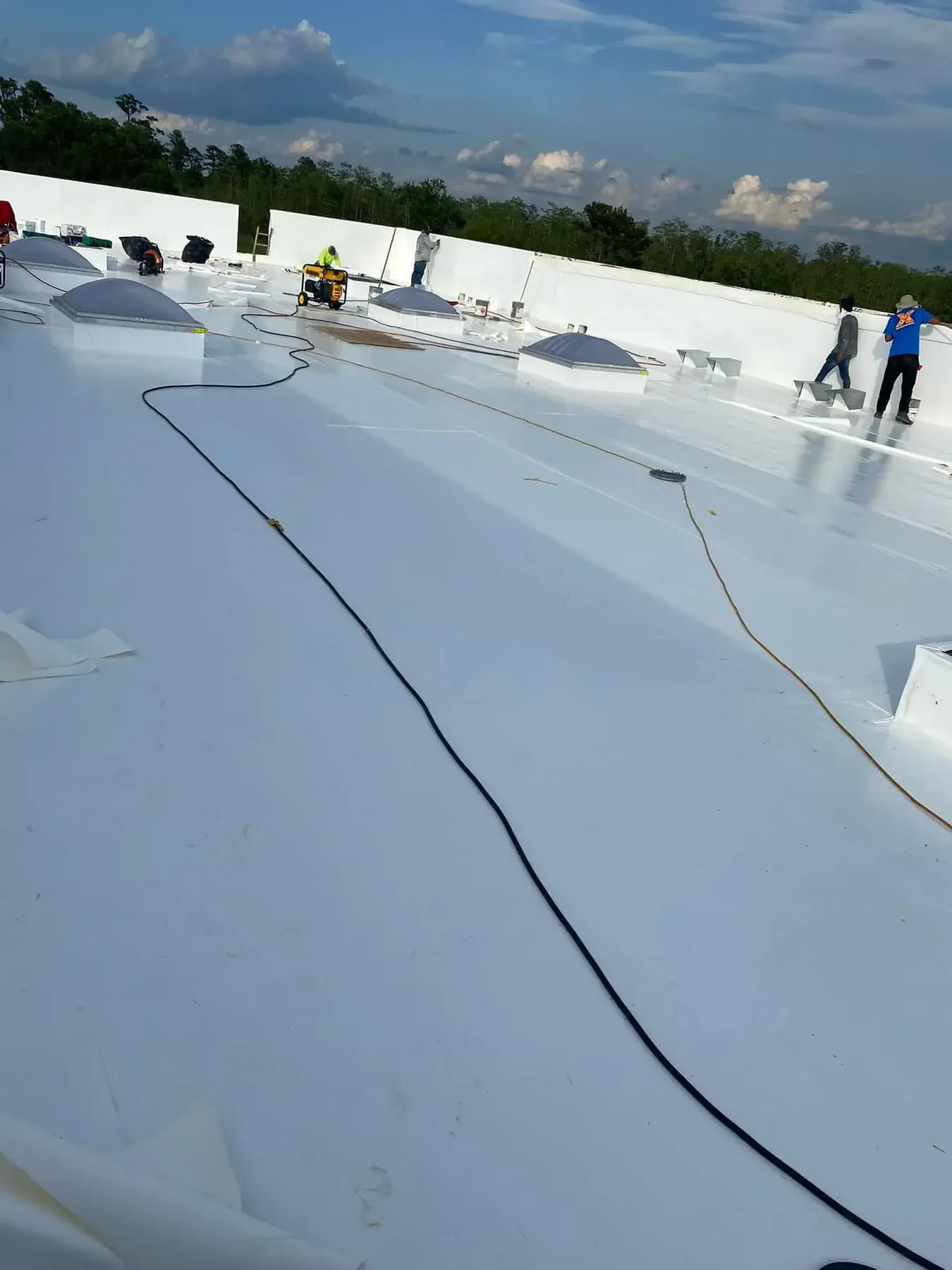
Compare asphalt shingles, metal, tile, and flat-roof systems for Florida homes — durability, cost, and hurricane performance.
Read more
Why annual roof maintenance extends roof life in Florida — catching small issues before they become expensive repairs.
Read moreOur blog covers Florida roof maintenance, storm preparation, material choices, and how to select a licensed contractor. Articles are written for Pasco, Pinellas, Hernando, Hillsborough, and Manatee County property owners — not generic national advice that ignores Gulf humidity, afternoon storms, and wind-driven rain.
You will find guidance on repair versus replacement signals, fall scheduling windows, Atlas and other material considerations, ventilation, and what free inspections should include. Each post is meant to help you ask better questions before you sign a contract.
Family-owned since 1988 in Dunedin, we write from the same experience that shows up on job sites: clear scopes, licensed work under CCC1335398, CCC052490, and CBC015719, and referral-driven standards that do not need claim hype to earn trust.
DIY tips help you spot problems early. Active leaks, soft decking, and storm openings need a licensed roofer. Walking a wet roof or entering an attic with compromised decking can be dangerous — photograph what you can from safe ground and call for help.
Roof Monsters offers free inspections and clear written estimates — (727) 439-3869 or info@roofmonsters.co. Storm response is private-pay emergency tarping and permanent repairs; we do not manage insurance claims or promise to maximize payouts.
Use the articles below to learn the vocabulary, then schedule a visit so recommendations match your actual roof. Education plus documentation beats guessing from a ceiling stain.
Category pages group posts on roof repair, installation, maintenance, and company insights. Start with the problem you are facing — a leak, a planned replacement, or storm season prep — then read the related guides. Service pages and location pages add the next layer when you are ready to act.
New posts appear as seasonal questions come up across Tampa Bay. Bookmark this hub, and reach out when reading turns into a project you want scoped in writing. If you are comparing contractors, pair the contractor-selection article with our warranty and services pages so process claims match what you will see in an estimate.
Property managers can skim maintenance and commercial-oriented posts first, then schedule multi-unit inspections with prioritized repair lists. Homeowners preparing to sell should read inspection and documentation pieces before listing photos go live.
When a post raises a question you cannot answer from the curb, that is the moment to book a free inspection. Bring notes from what you read — ventilation, Atlas options, storm tarping versus permanent repair — and we will map those topics to your roof plane and attic.
Licenses CCC1335398, CCC052490, CBC015719. Fifteen-year workmanship warranty on qualifying installation labor. Dunedin headquarters since 1988. Call (727) 439-3869 or email info@roofmonsters.co when you are ready for documentation instead of another generic article.
Most article ideas come from real questions homeowners ask during inspections: why a stain appears far from the leak source, whether algae means failure, how gutters affect roof edges, or why two replacement estimates describe different underlayments. We turn those repeated conversations into plain-language guides so the next homeowner starts with better vocabulary and more realistic expectations.
The goal is not to replace an on-site visit. It is to make the visit more useful. If you already understand the basics of ventilation, flashing, Atlas options on qualifying projects, and workmanship warranty terms, the inspection can focus on your actual roof conditions instead of starting from zero.
Reading helps with planned work, but active leaks and open roof areas should not wait while you compare articles. Protect interiors, avoid unsafe roof access, and call for private-pay emergency tarping when water is entering. After temporary dry-in, use the educational posts to understand the permanent repair or replacement estimate before approving the next step.
For non-urgent projects, bookmark posts that match your situation and bring those questions to the inspection. A buyer might focus on maintenance and documentation; a long-term owner may care more about ventilation and material life; a property manager may need phased scheduling. Useful content should shorten the path to a clear written scope.